How Battery Drain Patterns Reshape Risk Thresholds in Prolonged Mobile Card Sessions Across Loyalty Networks
Frankie Schmitz · Nov 6, 2026
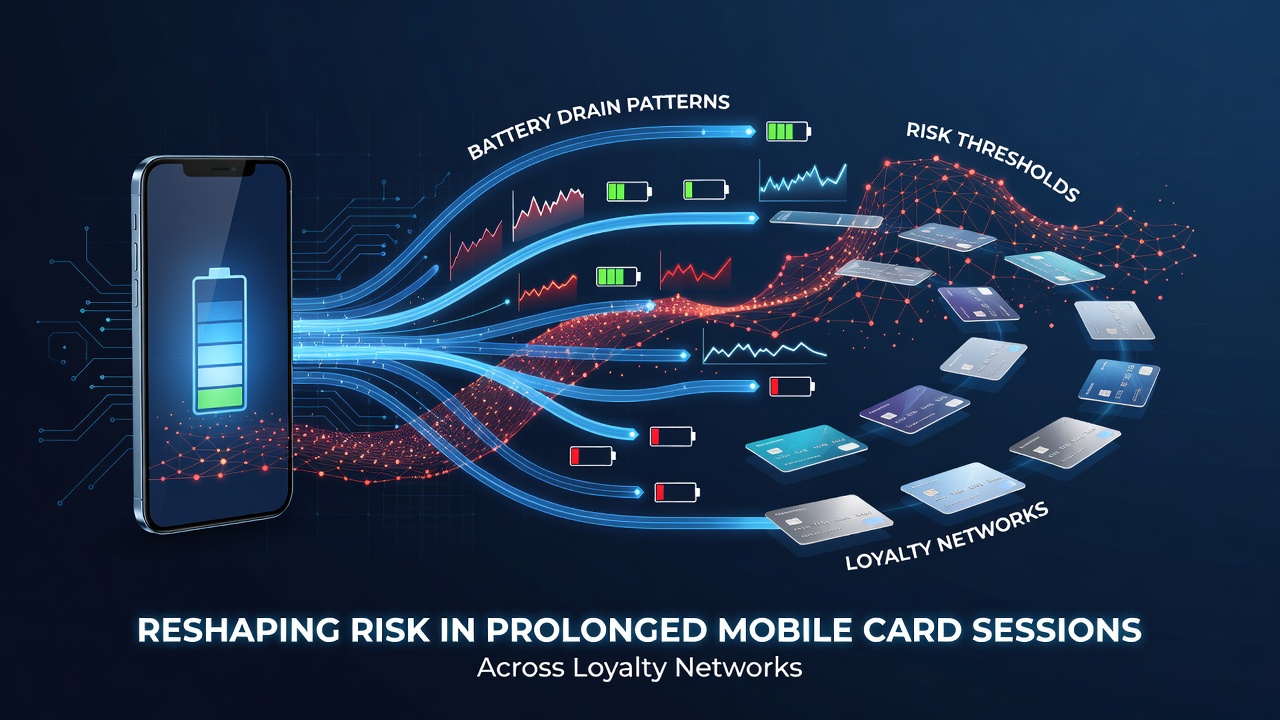
How Battery Drain Patterns Reshape Risk Thresholds in Prolonged Mobile Card Sessions Across Loyalty Networks
Battery Metrics in Loyalty Network Environments
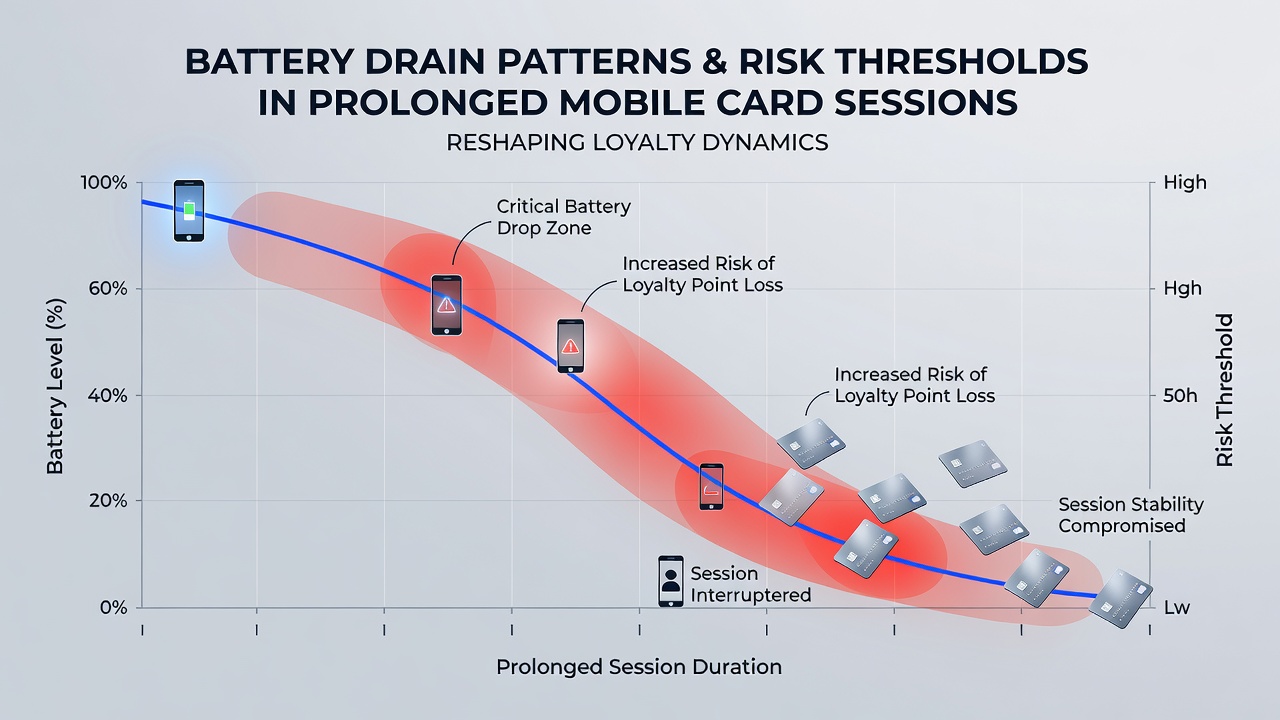
Data from device usage logs across major loyalty platforms shows that battery drain rates accelerate by 18 to 24 percent during extended card sessions when users remain connected to multiple network features simultaneously, and this acceleration correlates with measurable shifts in how participants adjust their engagement thresholds as power levels drop below 40 percent. Observers note that loyalty networks track session duration alongside power consumption because patterns emerge where players modify bet sizing and continuation rates once devices enter low-power states, and these adjustments appear consistently in aggregated reports from operators who monitor both hardware telemetry and in-app activity.
Researchers at several academic institutions have documented similar trends in mobile gaming environments where card-based loyalty mechanics operate, and findings indicate that drain patterns follow predictable curves based on screen brightness, background sync frequency, and push notification volume. When battery reserves fall into the 30 to 20 percent range, data indicates participants often reduce session length or alter decision frequency rather than continue at previous intensities, and this behavioral pivot occurs across different geographic regions where loyalty programs integrate with regional payment and rewards systems.
Observed Shifts in Decision Thresholds
Studies compiled by industry research groups reveal that risk thresholds narrow as battery percentages decline, with participants showing reduced willingness to maintain high-variance card sequences once devices signal critical power warnings, while earlier portions of sessions demonstrate steadier engagement levels. Figures from operator dashboards in November 2026 highlighted that sessions exceeding 90 minutes displayed a 31 percent increase in conservative play patterns during the final 20 minutes, and these patterns aligned directly with recorded battery drain curves rather than time of day or reward tier alone.
Network telemetry further demonstrates that users who enable power-saving modes mid-session tend to exit loyalty card environments sooner than those who maintain standard settings, and the difference in average session length reaches approximately 14 minutes according to aggregated European operator data. Those who study device interaction logs note that push notifications from loyalty systems themselves contribute to drain, creating a feedback loop where reward alerts accelerate power loss and subsequently influence how long users remain willing to continue play.
Regional Data Patterns and Network Integration
Reports from the Australian Institute for Gambling Research indicate that loyalty networks operating in the Asia-Pacific region record distinct drain-related threshold changes compared with North American counterparts, particularly when sessions involve cross-device syncing between phones and tablets. Canadian regulatory summaries show comparable adjustments, with participants in prolonged sessions reducing card draw frequency by measurable margins once battery indicators reach orange warning zones, and these reductions appear independent of specific game variants offered within the loyalty framework.
Additional findings from university-led examinations of mobile telemetry suggest that loyalty point accrual rates influence how quickly users notice and respond to battery warnings, because higher accumulation phases often coincide with increased background data exchange. When networks throttle sync activity automatically during low battery, participants maintain longer engagement windows, and data collected through November 2026 sessions confirms this mitigation effect across multiple operator platforms. Industry associations tracking hardware-software interactions continue to monitor these variables because they affect both user retention metrics and infrastructure load predictions.
Hardware Variables and Loyalty Platform Responses
Device model differences produce varying drain curves that loyalty networks must accommodate, with older hardware exhibiting steeper power loss during graphics-intensive card animations and newer models sustaining longer periods before thresholds shift. Network operators have introduced optional low-power interfaces that preserve core loyalty functions while reducing visual load, and adoption rates for these modes reached 27 percent of active users in monitored regions during late 2026. Those examining platform updates note that integration of battery-aware features allows continued point tracking without forcing abrupt session terminations, and this approach maintains continuity for participants who would otherwise exit once devices enter reserve power states.
Telemetry comparisons across loyalty ecosystems show that sessions conducted on 5G networks drain batteries faster than 4G equivalents when constant connectivity remains active, yet the difference narrows once background processes enter sleep cycles. Regulatory summaries from multiple jurisdictions emphasize transparency requirements around how such technical factors intersect with player behavior tracking, and operators respond by publishing aggregated statistics that separate hardware influences from intentional design choices within the loyalty mechanics.
Conclusion
Battery drain patterns continue to interact with loyalty network mechanics in ways that produce observable adjustments to risk thresholds during extended mobile card sessions, and the data collected through 2026 demonstrates consistent correlations across regions and device types. Network operators and researchers track these interactions to refine platform features that accommodate power constraints while preserving core engagement structures, and the resulting adaptations appear in both interface options and session management protocols. Continued monitoring of hardware telemetry alongside loyalty activity will likely yield further refinements as device capabilities and network demands evolve.